
Why are modern women increasingly less fond of wearing smartwatches?
2026-05-28 14:00:00
Smartwatches have become a mainstream consumer electronics product, with increasingly comprehensive functions including health monitoring, message notifications, and activity tracking. However, their penetration and wearing rates among female consumers continue to decline. Many women buy them only to have them gather dust, preferring traditional watches, bracelets, and bangles for everyday wear. The reason for this isn't a lack of functionality in smartwatches, but rather a significant mismatch between product design, wearing experience, aesthetic preferences, and the demands of female consumers.
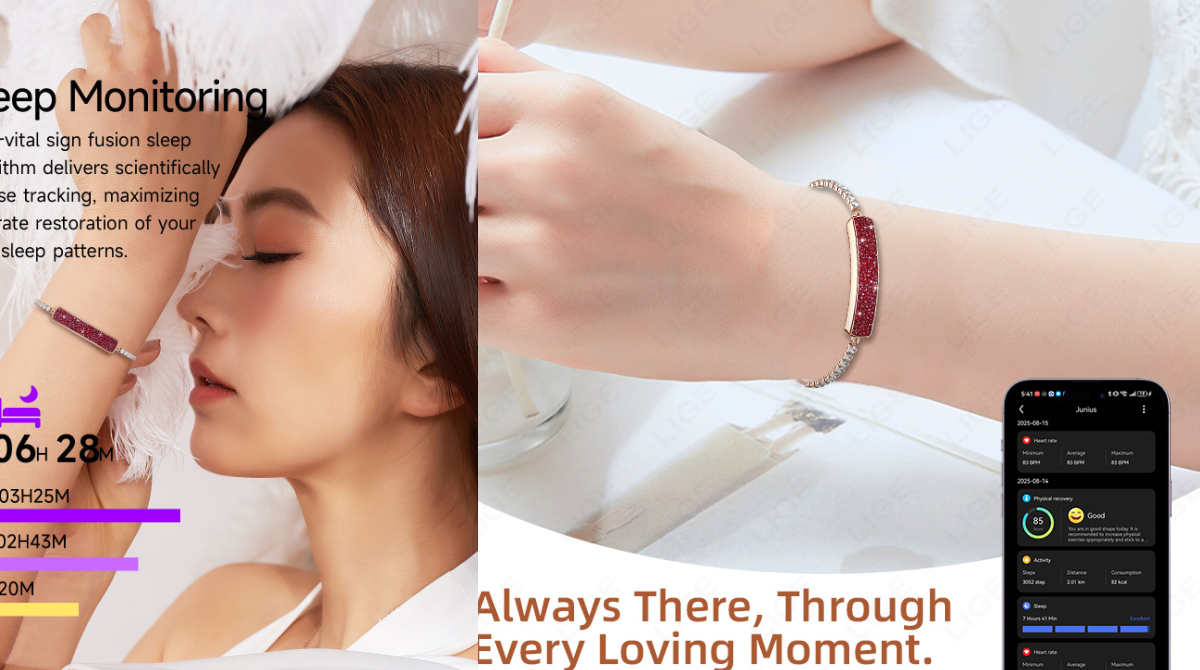
The incongruity in aesthetic style is the primary reason women reject smartwatches. Currently, most smartwatches on the market follow the design philosophy of sports digital products: large dials, bulky bodies, and sharp lines, with black, gray, and dark blue as the main colors, leaning towards a unisex, outdoor, and tech-inspired style. However, women's accessories seek delicacy, slenderness, softness, and versatility. Whether it's formal work attire, casual wear, dresses, or sophisticated looks, bulky smartwatches seem out of place. Traditional thin-strapped watches and bracelets are lightweight and delicate, embellishing the wrist and enhancing one's temperament. In contrast, bulky smartwatches resemble "tools" and disrupt the overall aesthetic of an outfit. Even when some brands release women's versions, they merely reduce the size of the dial and change the strap; the core design remains within the framework of digital products, failing to meet women's core needs for jewelry-like and fashionable pieces.
Poor wearing comfort further reduces the willingness to wear them daily. Women's wrists are generally slender, and large watch faces can easily feel tight or uncomfortable, causing inconvenience when raising the wrist, typing, doing housework, or putting on sleeves. Silicone and rubber straps are hot and not breathable, easily accumulating sweat and odor in summer, and causing redness and itching for those with sensitive skin. While metal straps enhance the feel, they are heavy, creating a feeling of heaviness after prolonged wear, and can also compress the wrist when monitoring sleep at night. In contrast, bracelets and thin watches are lightweight and imperceptible, conforming to the skin and allowing for comfortable all-day wear. For women who value detailed user experience, the design logic of smartwatches—prioritizing practicality over comfort—makes them unsuitable for all-day wear.
This mismatch between functional practicality and usage scenarios renders smartwatches a "white elephant." Smartwatches primarily feature activity tracking, call reminders, and heart rate/blood oxygen monitoring, but most modern women's lives revolve around commuting, work, home, and social activities, with high-intensity exercise being relatively rare. With smartphones readily available, messages and calls can be easily checked, making watch reminders redundant. While the highly touted health monitoring function is popular, its data accuracy is limited, serving only as a reference and unable to replace professional instruments, making it difficult to cultivate strong user dependence. Furthermore, smartwatches suffer from short battery life, requiring frequent charging. Forgetting to charge renders them unusable, and the inconvenience of repeated charging further alienates women who prioritize convenience.
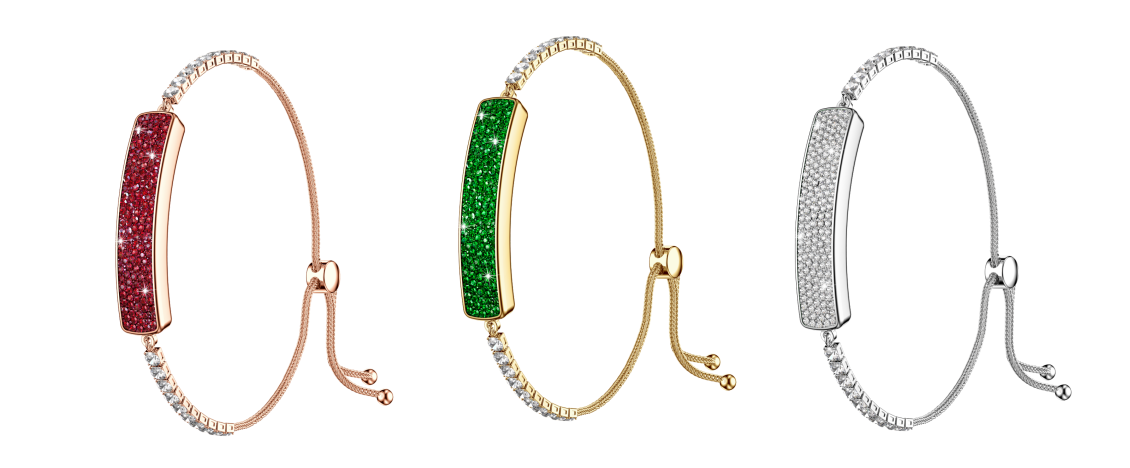
The lack of social and emotional attributes widens the gap between smartwatches and traditional accessories. For women, jewelry is not merely adornment but also a carrier of emotions and a social symbol. Traditional watches and jewelry can serve as gifts and keepsakes, conveying sentiment and a sense of ritual, while also showcasing taste and style. Smartwatches, however, are essentially digital products, with their utilitarian attributes outweighing their emotional significance. Their designs tend to be similar, lacking distinctiveness, and fail to become personalized statement pieces. In formal or casual social settings such as dates, parties, and banquets, while exquisite jewelry can enhance one's image, smartwatches often appear stiff and out of place, struggling to blend into the atmosphere.
Of course, the market isn't entirely without opportunity. Some brands are already experimenting with creating lightweight smartwatches with slim dials, luxurious straps, and jewelry-inspired designs, attempting to balance technology and aesthetics. However, overall, the product logic of traditional smartwatches remains focused on "function first," neglecting women's consumer demands for "aesthetics first, experience paramount."
To truly resonate with women, smartwatches cannot simply pile on features; they must return to their essential nature as accessories, deeply refining their lightweight design, aesthetic appeal, and wearing experience. When technological attributes and fashionable aesthetics are truly integrated, these products can transcend their "tool" positioning and regain the favor of female consumers.
Looking ahead, the application scenarios for smart jewelry will continue to expand, offering vast development potential. Healthcare will be a core focus, with the potential to gradually implement data analysis of blood oxygen, stress, body temperature, and even vital signs, creating all-weather, non-invasive health monitoring terminals to penetrate the fields of home health and chronic disease management. Emotional and social scenarios will continue to enrich the market. Leveraging IoT technology, smart jewelry can achieve long-distance emotional connections, exclusive holiday interactions, and offline identity recognition, becoming a carrier of emotional bonds between people. In the commercial sector, smart jewelry can also be combined with affordable luxury customization and brand IP collaborations to explore niche markets such as weddings, business gifts, and cultural and creative products, breaking the traditional sales boundaries of jewelry.
With the continuous iteration of microelectronics, flexible electronics, and long-lasting battery technologies, smart jewelry will inevitably transform from a "concept product" to a "mainstream consumer product." It's not just a technological transformation of a traditional industry, but also an upgrade in consumption concepts: people are no longer satisfied with jewelry being merely "beautiful," but expect it to be "useful, warm, and personalized." Technology empowers jewelry, aesthetics enhances technology, and the potential of wearable products still awaits further exploration by more entrepreneurs.
