
The global smart ring market is on the verge of explosive growth.
2026-06-20 21:00:00
The global smart ring market is on the verge of explosive growth. A Fortune Business Insights report indicates that the global smart ring market size is approximately $417 million in 2025, and is projected to grow from $518.9 million in 2026 to $3.7724 billion in 2034, representing a CAGR of 29.30% over the forecast period. The North American market dominates with a 45.10% share.
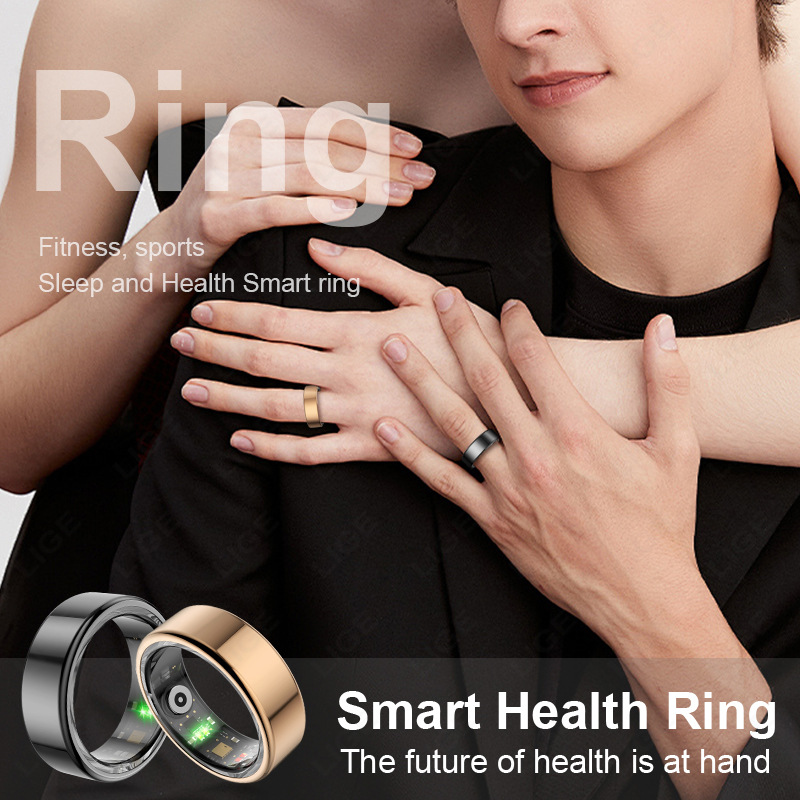
In terms of shipments, the growth curve is particularly steep. Smart ring shipments exceeded 850,000 units in 2023, doubled to 1.8 million units in 2024, and reached 1.6 million units in the first half of 2025, with full-year shipments expected to surpass 4 million units for the first time. Sales of smart rings on domestic e-commerce platforms in China have seen a remarkable year-on-year growth of 6410.7%, demonstrating the strong acceptance of this product category in the Chinese market. Currently, the industry average selling price of smart rings is approximately $143, with a gross profit margin of about 40%, and the market is transitioning from the "introduction phase" to the "mass production phase."
It's worth noting that multiple industry reports list increased health awareness and the integration of AI technology as core drivers of market growth. McKinsey research shows that Millennials and Generation Z now view health and wellness as routine, personalized lifestyle practices, rather than occasional consumption. Simultaneously, the deployment of large-scale AI models from the cloud to edge devices is becoming a core engine driving the leap forward in wearable product scenarios for smart rings.
Globally, the smart ring industry is forming two differentiated technological evolution paths, each with its own supporters, representing two product philosophies of AI hardware.
One approach, centered on health monitoring, is represented by Oura. Its core logic is to establish a personalized health baseline for users by monitoring physiological data such as heart rate, blood oxygen, body temperature, stress, HRV, and sleep stages, providing abnormal alerts and health advice. Oura has continuously strengthened its presence in the clinical health and women's health fields through acquisitions (Sparta Science, Veri, Proxy, etc.) and collaborations with medical institutions such as the Maven Clinic. In recent years, Ora has been continuously investing in AI health assistants, metabolic health, and women's health services, attempting to upgrade from a "sleep ring" to a "personal health portal." Circular goes a step further, incorporating an FDA-approved atrial fibrillation detection algorithm and real-time electrocardiogram functionality, creating a differentiated barrier in medical-grade health monitoring.
Another type of AI interaction is represented by startups such as Spark Ring and Vocci Ring, which attempt to redefine the ring as an "information catcher" and a "fingertip AI agent." Spark Ring supports up to 8 hours of continuous recording, and its mobile agent can perform intent recognition, proactively converting fragmented information into calendars, to-do lists, or deliverable documents. Vocci Ring goes even further, enabling users to wake up an AI agent to control a computer and complete the entire workflow, supporting transcription in over 112 languages, a 5-meter sound pickup range, and an "anytime-on" design philosophy. Sandbar Stream Ring embeds an "Inner Voice" trained on the user's own voice, attempting to create a highly personalized AI interactive experience.
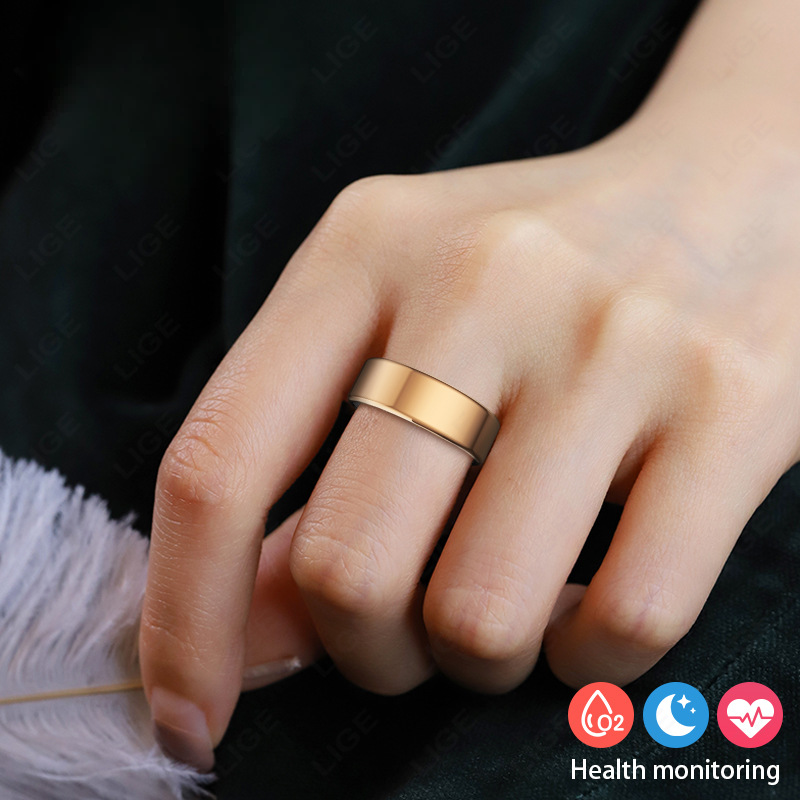
Further segmentation has led to two new branches in the market: payment rings and AI multimodal exploration. Payment rings, represented by companies like McLEAR and Pagopace, utilize NFC technology for contactless payments and access control, requiring no batteries and profiting from a mature payment infrastructure. In cutting-edge exploration, products like Air Ring and Glow attempt to embed millimeter-level gesture tracking, whisper-activated voice interaction, and real-time inference capabilities of large AI models on the edge. However, limited by power consumption and computing power bottlenecks, the multimodal approach still faces a technological hurdle before true implementation.
From sensors to edge AI algorithm models, to cloud service platforms and end-user experience, the AI ring industry's technology chain is vertically integrating. Different players are entering different segments, but all point in the same direction: making the ring, the "smallest wearable device," increasingly "intelligent" in terms of health, efficiency, and interaction.
Meanwhile, the capital market's enthusiasm for the AI ring sector is rapidly increasing. In May 2026, Ora secretly filed for a US IPO with a valuation of $11 billion, which, if successful, would make it the world's largest ring IPO. In China, many Chinese startups have also secured angel round funding within 3 to 4 months of their establishment, with investors including top-tier institutions such as Miracle Ventures and SenseTime Capital.
