
A ring on the left hand, a watch on the right. But what's next?
2026-07-07 21:00:00
Recently, an overseas blogger tweeted on the X platform, revealing that Apple is developing a smart ring product that will directly compete with Samsung's Galaxy Ring upon its release. Analysis from tech media 9to5Mac also points out that after Apple's organizational restructuring, Senior Vice President of Health, Eddy Cue, intends to further enhance Apple's health ecosystem through a smart ring.
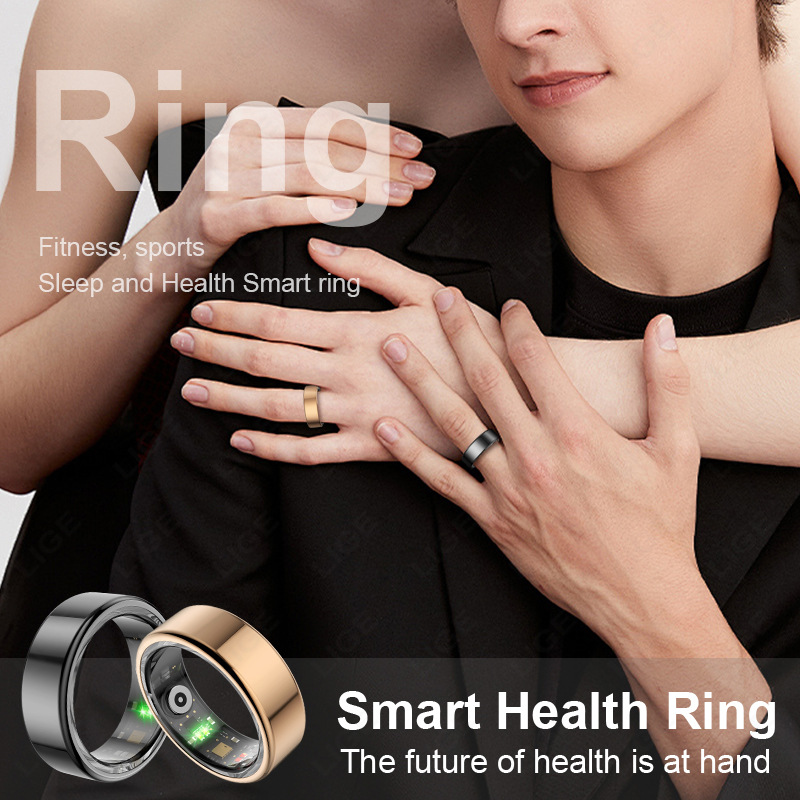
A review of Apple's past patents related to smart rings filed with the USPTO reveals that, excluding those with defensive or space-grabbing intent, these patents primarily focus on the following areas:
* **Device Extension:** Wearing this type of ring allows users to control iPhones/Macs/Vision Pro using pinch and swipe gestures;
* **Force Sensor Input:** The ring surface is covered with pressure sensors, supporting functions such as volume adjustment via circular swipes and AR/VR interaction;
* **Health Monitoring:** Using sensors such as PPG photoplethysmography and SMI self-mixing interferometry to measure vital signs and electrocardiograms;
* **NFC and Identity Authentication:** Using NFC to simulate access control/transportation cards as a biometric device to unlock Macs and other devices.
Some of the functions involved in these patents have already been applied to the Apple Watch. What Apple wants to do more is to transplant them to a smaller, more integrated ring.
To talk about smart rings, we have to start with smartwatches.
"I've already bought a smartwatch, so I'm debating whether a ring is necessary." This is one of the reasons Andy is hesitant.
In 2014, Tim Cook, who had been Apple CEO for three years, launched his first new product line: the Apple Watch. At the time, this smartwatch, positioned as a premium product, didn't yet focus on health and fitness as its core features, but this highly integrated sensor, unique and innovative interaction method, and combination of technology and fashion still activated a new market. Ten years later, smartwatch sensors fall into three categories: accelerometers for motion monitoring, optical sensors for measuring blood oxygen and heart rate, and temperature sensors for monitoring body temperature and menstrual cycles. These hardware components, combined with ten years of algorithm iteration, are now quite mature.
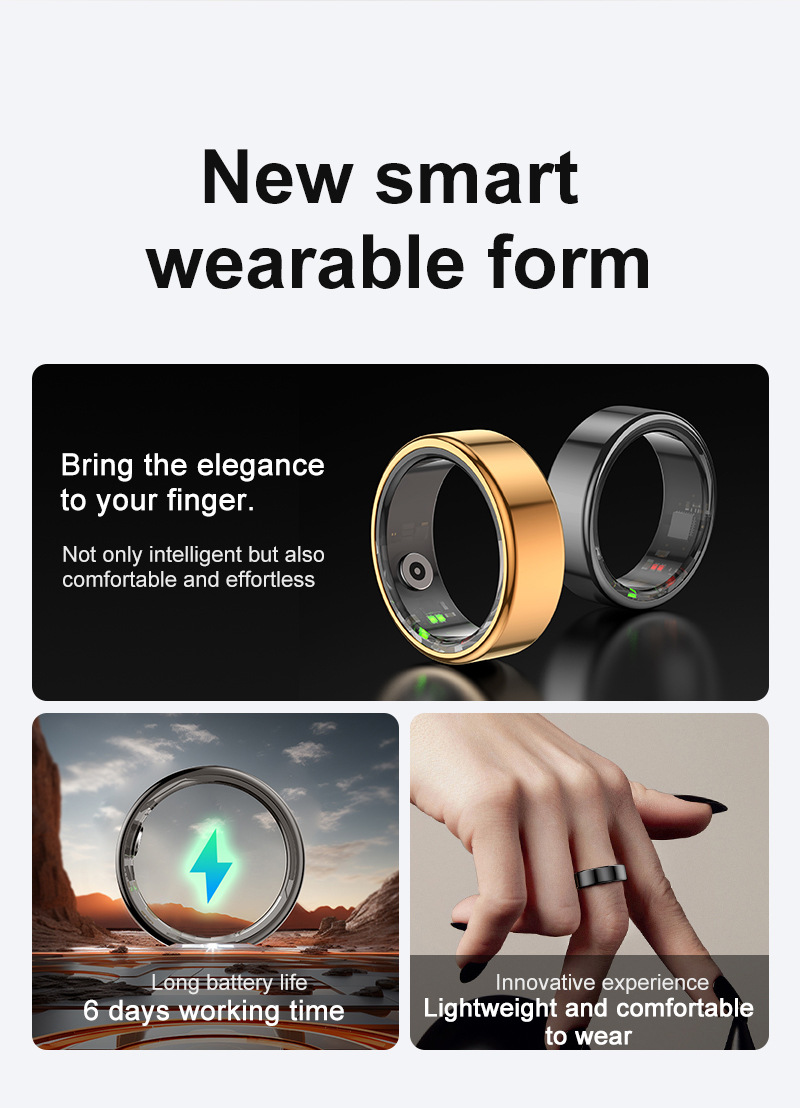
Smart rings essentially do something similar. PPG sensors, accelerometers, and body temperature sensors—the core components are almost identical. The difference lies in the physical form: rings are smaller, only able to accommodate 6-10 sensors, and have smaller batteries; but the advantages are equally obvious: no screen, lightweight, and almost imperceptible when worn.
Meanwhile, compared to the wrist, fingers only have veins and no arterial clutter, and the skin is thinner, which is beneficial for obtaining high-quality vital sign data. With the same sensor accuracy and the same algorithm, smart rings offer physiological and physical advantages over smartwatches, such as a more secure fit and less optical image attenuation, resulting in more accurate results. This may be the biggest technological barrier for smart rings. On social media, some users have complained that while wearing smart rings during hiking, they experienced significant oxygen deficiency, yet the rings still measured real-time blood oxygen saturation above 90%; similarly, when tracking sleep duration, a user lying in bed using their phone was categorized as experiencing light sleep by the ring.
Smartwatches have been developing for ten years. In those ten years, sensor algorithms and related talent have matured and become abundant. Smart rings, as an emerging category, combine low hardware barriers to entry with a high average order value, attracting many hardware companies eager to get a piece of the pie.
But what's next? Can such a small piece of hardware accommodate so many players?
